
How to Choose the Best PUB-Licensed Plumbers in Singapore

Living in an older HDB means plumbing issues pop up more often than I’d like. Thankfully, the best plumbers in Singapore are on my speed dial because of all the leaky taps and stubborn chokes I’ve had to live with.
I’ve also learned to narrow down what works and what’s a waste of time over the years. Here’s my no-nonsense, step-by-step guide to help you with planned or emergency plumbing concerns, courtesy of top licensed plumbers.
How to Find the Best Plumbers in Singapore
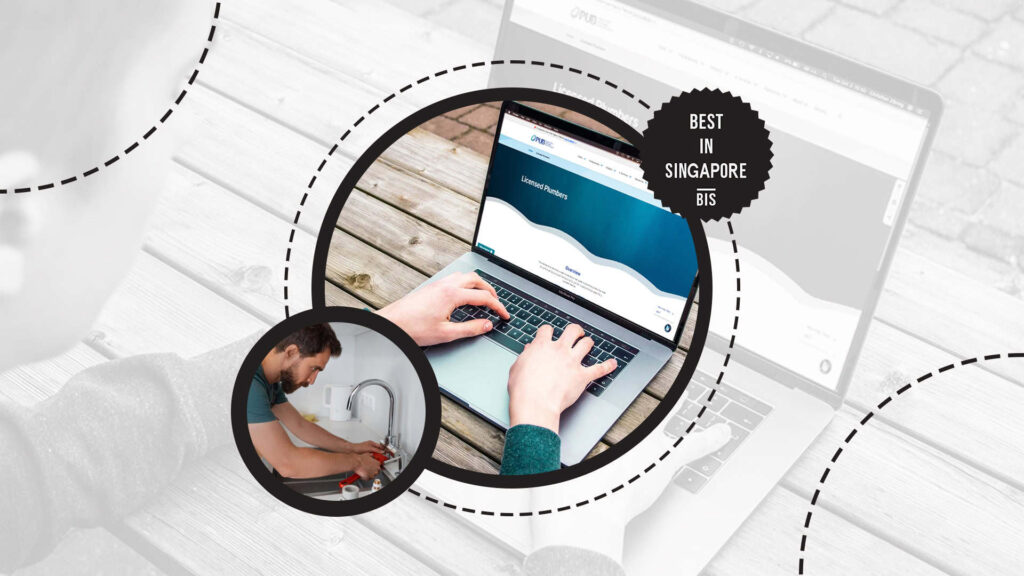
Though we live in automated times, I would say finding the best local plumbers is a moderately difficult process. I’ve learned the hard way that it isn’t just a phone call away, like they show in rom-coms and movies.
The time needed can just be a day for emergencies, vetting the 10-step process I will outline in a bit, but planned plumbing work may take up to one or two weeks.
You will need a few essentials like Internet access, PUB search links, and phone or messaging apps to check the candidates. You’ll also have to come up with questions on pricing, warranty, and services, along with your preferred schedule and budget range.
For better results, shortlist at least three plumbers before committing to a final one. And do like I do: confirm PUB licensing and read recent reviews (or hear referrals) to avoid costly mistakes.
Step 1: Identify your plumbing needs
First, be clear about what’s actually wrong. A leaking tap is very different from a burst pipe, and knowing this upfront saves time when calling a plumber.
Check if it’s a one-off issue or part of a bigger problem. For example, slow drains in multiple areas could point to a main pipe blockage.
Then you can decide if it’s urgent enough to need a 24-hour emergency plumber. Remember: for serious leaks or flooding, same-day service is worth the higher cost.
For non-urgent repairs, you can call ahead to schedule and compare rates and availability while you’re at it. The next step will expound on whom to call.
Step 2: Check for PUB licensing and accreditation
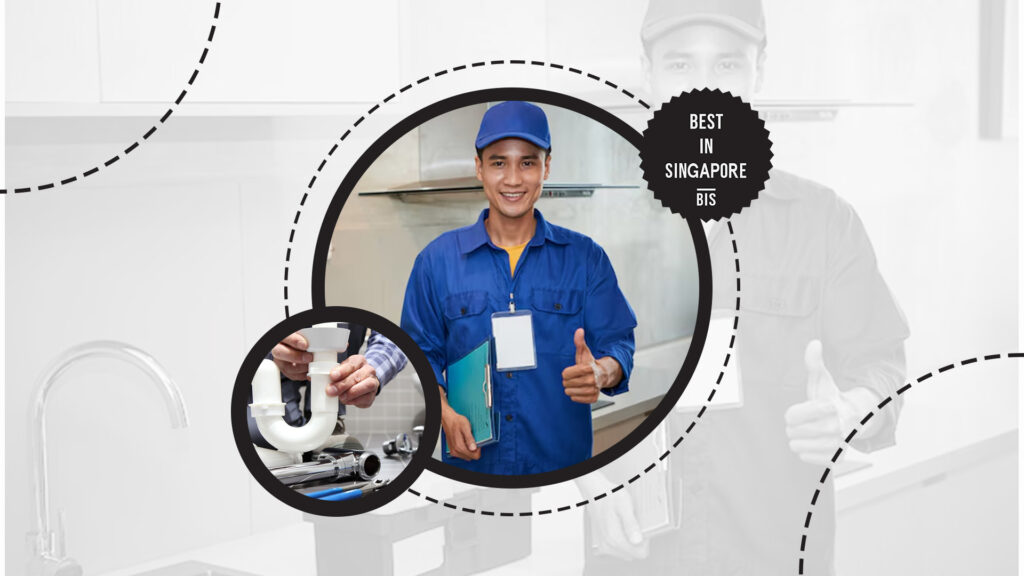
Start by searching the PUB Licensed Plumber Directory. It’s the fastest way to confirm if a plumber is officially approved to work in water service and sanitary systems in Singapore.
Only PUB-licensed plumbers can legally handle certain HDB and commercial planning works. Hiring one also ensures the job meets government standards.
Beyond PUB-licensing, it’s also good to check for BCA or bizSAFE certifications. Though they aren’t plumbing-specific bodies, they help show if quality standards and safety protocols are being followed by your potential plumbers.
Most reputable plumbers display these credentials on their websites or official quotes anyway. If you can’t find them, go ahead and ask them to provide proof before booking.
Step 3: Ask for recommendations
I usually start by asking my neighbours in the same HDB block, since our pipes and drainage systems are about the same age. Chances are, someone has already dealt with a similar plumbing issue and can share a trusted contact.
I’ve found friends and family to also be reliable sources. A recommendation from someone I know is often more trustworthy than a random online ad.
For a wider search, I recommend joining local online communities like Facebook Groups and pages dealing with HDB issues, home improvement, and similar concerns. I often find good plumbing recommendations there, as well.
I also like checking Reddit Singapore, Quora, and Hardware Zone forums, as these are active spaces where locals share reviews and contacts for reliable plumbers.
Step 4: Compare online ratings and reviews
A good place to begin is by starting a quick Google search for “plumber near me.” This yields ratings, reviews, and sometimes even response time estimates right on the results page.
I find it better to read the most recent reviews rather than just the overall score. They reflect the current quality of the plumber’s work, plus service attitude (which is equally important).
For more options, I check service platforms like Homees and Carousell Services. These sites often list 24-hour plumbers in Singapore with verified client feedback.
As a bonus tip: pay attention to profiles with multiple completed jobs and repeat clients. It’s a good sign that they deliver consistent service over time.
Step 5: Verify experience and specialisation
I always check how long the plumber has been in business. A company with over five years of consistent work in Singapore usually means they’re reliable and are familiar with local regulations.
Experience matters even more for older HDB flats like mine, where pipe layouts can be tricky. An experienced plumber can troubleshoot faster and with fewer (costly) mistakes.
Specialisation is another big factor. Some plumbers focus on HDB toilet repairs, while others are better at commercial plumbing or water heater installations.
To verify, I look at their projects on their website or service listings. You can also ask for photos or references before confirming the booking.
Step 6: Request multiple quotes
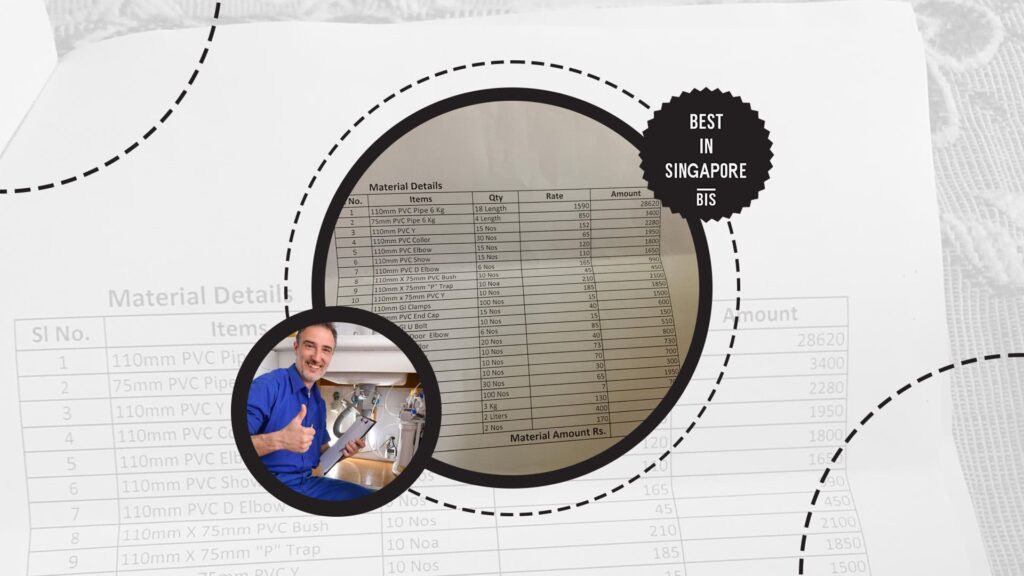
I never settle for the first price I’m given. Requesting quotes from at least three plumbers helps me see the market rate for the job.
Always ask for an itemised breakdown. This way, you can spot if labour, parts, or extra fees are inflated.
I also compare what’s included in each quote. Some already cover call-out fees, parts, and even after-service checks, while others charge extra for each.
If you’re unsure how to compare quotes, just create a simple checklist of what needs to be done, then tick off which plumber includes each item so you can decide based on value, not just price.
Step 7: Ask about guarantees and warranties
Never neglect to ask if the plumber offers a workmanship guarantee. This shows they’re confident in the quality of their labour and are willing to fix issues if something goes wrong.
A good workmanship warranty can range from a few weeks to several months. The longer it is, the more peace of mind you’ll have.
I also check if the replacement parts come with a manufacturer’s warranty. This applies to taps, pipes, water heaters, and other fittings.
If they can’t provide proof, I take that as a red flag. At any rate, you can verify brand warranties on manufacturer websites to be extra sure.
Step 8: Check availability and response time
For emergencies like burst pipes or flooding (I’ve gotten both), I only call a 24-hour plumber. Quick response can mean the difference between a small fix and costly water damage.
Even for non-urgent jobs, I still check how soon they can slot me in. Some plumbers are booked for days, especially during the rainy season.
Flexible scheduling is a big plus if you work office hours. I often look for plumbers who can drop by in the evenings or on weekends, without extra fees.
Carousell Services and similar service platforms often yield plumbers who state their availability upfront. This saves me time instead of calling them one by one.
Step 9: Confirm payment terms

I have never paid the full amount up front for plumbing work. A reasonable deposit after the job starts protects both the plumber and me.
This also gives me leverage if the work isn’t completed as agreed. It’s a simple enough step to avoid disputes later.
I always confirm the payment methods and terms before booking. Most plumbers in Singapore now take PayNow and bank transfer, aside from good old cash.
If you prefer credit card payments, ask them first. Some may charge extra fees for this payment method, which may not sit well with some people.
Step 10: Keep contacts for future use

Once I find a reliable plumber, I save their contact on my phone right away. It’s the fastest way to get help for the next leak or clog.
I also like keeping their business card or WhatsApp chat pinned for quick reference. Having these at the ready saves me a lot of time during plumbing emergencies.
It’s important to build rapport with the plumbers, as it pays off in the long run. Regular customers like me often get quicker response times and friendlier rates (sometimes).